Introduction to Flooring Types
When it comes to transforming the ambience of your home, flooring choices play a pivotal role. The flooring you select can influence everything from aesthetics to comfort. With a variety of options available on the market, understanding which type of flooring complements your space is essential for making an informed decision. In this comprehensive guide, we'll explore popular flooring options, their advantages, and how to choose the right type for your home.
Overview of Popular Flooring Options
Flooring comes in various materials, each having unique characteristics that cater to different needs and preferences. Here are some of the most popular flooring options:
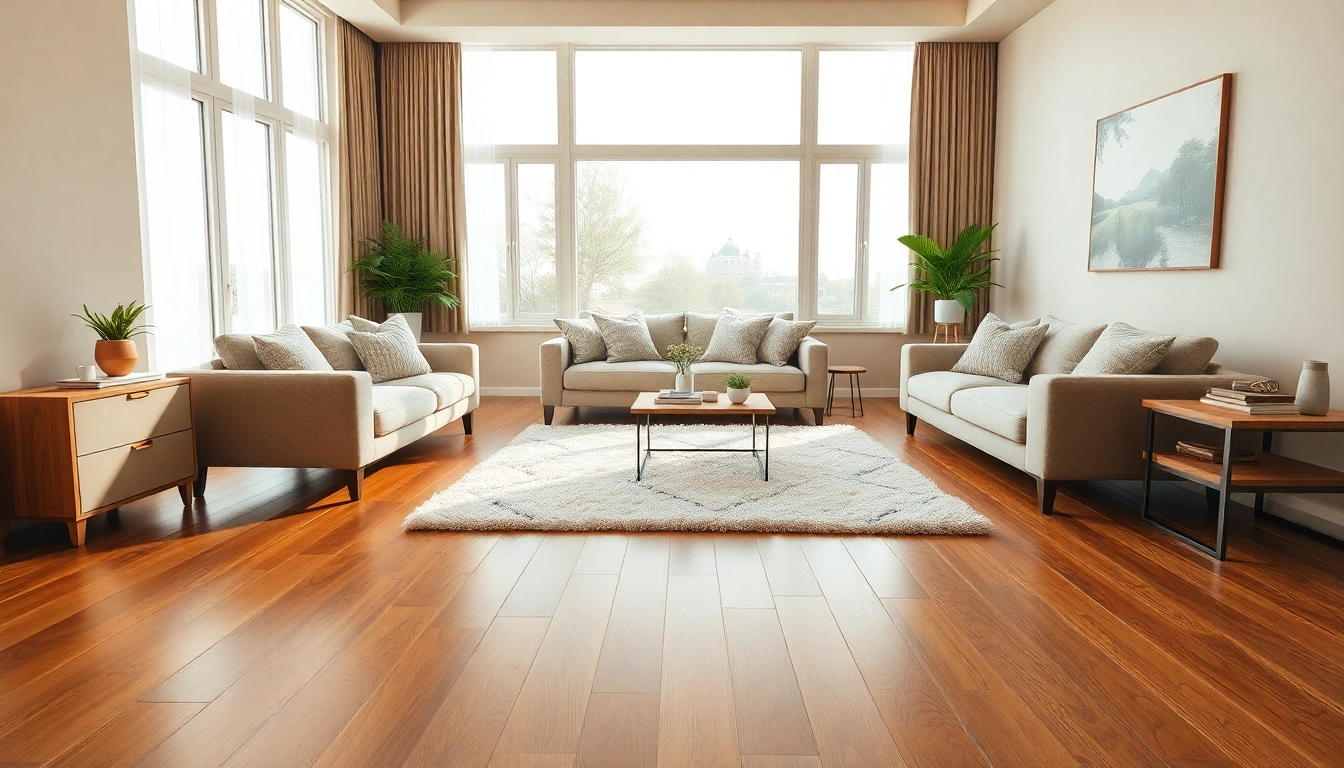
- Hardwood Flooring: Timeless and elegant, hardwood is made from solid wood and offers a classic aesthetic that adds warmth to any room.
- Laminated Flooring: Often designed to mimic the look of hardwood, laminate is a cost-effective solution that is durable and easy to maintain.
- Vinyl Flooring: Versatile and available in various designs, vinyl flooring is water-resistant and ideal for high-moisture areas like kitchens and bathrooms.
- Tile Flooring: Available in ceramic or porcelain, tile is durable, easy to clean, and perfect for both residential and commercial spaces.
- Carpet Flooring: Soft and comfortable underfoot, carpet adds a cozy feeling to rooms but requires more maintenance compared to hard flooring options.
Advantages of Each Flooring Type
Choosing the right flooring is not solely based on aesthetics. Each flooring type comes with its own set of advantages:
- Hardwood Flooring: Increases home value, suitable for various decor styles, and can be refinished multiple times.
- Laminated Flooring: Resistant to scratches and dents, available in a wide range of designs, and can be installed quickly.
- Vinyl Flooring: Ideal for families and pets, it comes in several patterns and is relatively easy to install and repair.
- Tile Flooring: Excellent for high-traffic areas, resistant to stains, and offers good thermal mass for climate control.
- Carpet Flooring: Provides sound insulation, warmth, and comes in many colors and textures to suit different preferences.
Choosing the Right Flooring for Your Home
Choosing flooring depends on several factors including the room's purpose, desired aesthetics, and your budget. Consider the following:
- Function: High-traffic areas may benefit from durable materials like tile or laminate.
- Aesthetics: Select a style and color that complements your interior design.
- Budget: Determine how much you are willing to invest in your flooring choice.
- Comfort: In living spaces, hardwood or carpet may provide added comfort.
- Maintenance: Decide how much effort you are willing to put into cleaning and caring for your flooring.
Installation Process for Flooring
Preparing Your Space for New Flooring
Before installing any flooring, proper preparation is essential. Start by removing existing flooring and preparing the subfloor. Make sure the subfloor is clean, dry, and damage-free. Depending on the type of flooring, you might need a special underlayment that provides additional moisture protection and sound insulation.
Step-by-Step Flooring Installation Guide
While the installation process will vary based on the flooring type, here’s a general guide:
- Measure the Area: Accurately measure your space to determine how much flooring material you need.
- Choose Your Flooring: Select your flooring type, keeping in mind the room’s functionality and style.
- Prepare the Subfloor: Clean and level your subfloor to ensure a smooth installation.
- Install Underlayment: Lay underlayment if required, following manufacturer guidelines.
- Begin Installation: Starting from one wall, begin installing your flooring according to your chosen material's specifications.
- Finishing Touches: Install baseboards, mouldings, and thresholds to complete the look.
Hiring Professionals vs. DIY Installation
Deciding between hiring professionals or opting for a DIY installation can depend on your skill level, the complexity of the flooring, and your budget. Hiring professionals may involve additional costs but often ensures a higher-quality result with warranties on workmanship. DIY can save you money but requires a good understanding of tools and installation processes. Weigh the pros and cons carefully before making a decision.
Maintenance and Care for Flooring
Daily Care Tips for Longevity
To keep your flooring looking its best and ensure longevity, daily care is vital. Regular sweeping or vacuuming can prevent dirt accumulation. For hardwood, use a damp mop with appropriate cleaner, while tile can benefit from a mild soap solution. Always follow the manufacturer's care instructions to avoid damaging your flooring.
Seasonal Maintenance Strategies
Different seasons require specific maintenance routines. In winter, use mats to trap moisture and dirt, while summer may require more cleaning due to increased foot traffic. Additionally, be mindful of humidity levels, especially for hardwood flooring, which can expand and contract with changing weather patterns. Consider using a dehumidifier in damp seasons and humidifiers in dry conditions to maintain an optimal environment for your flooring.
Common Repairs and Solutions
Over time, flooring may sustain wear and tear. Here are some common repairs:
- Scratches on Hardwood: Use a wax repair kit to fill in scratches or sand and refinish the affected area.
- Loose Tiles: Re-adhere loose tiles using strong adhesive and replace grouting for a complete look.
- Dented Laminate: Fill dents with a repair filler and gently sand to smooth out the surface.
- Carpet Stains: Use a carpet cleaner specifically designed for stains, and blot rather than rub to lift the stain.
Design Ideas with Flooring
Flooring and Interior Design Trends
Understanding current design trends can help you create a cohesive look within your home. Popular trends include mixing different flooring types for a unique aesthetic and using large format tiles that achieve a seamless look. Additionally, the use of eco-friendly materials is on the rise, appealing to environmentally conscious homeowners.
Creative Ways to Combine Different Flooring Types
Combining various types of flooring can add interest and define spaces. Use hardwood in living areas while installing tile in kitchens or entryways. Transition pieces between different materials can enhance the flow and ensure a seamless transition. Moreover, consider using area rugs to define spaces, especially in large, open-plan areas.
Choosing Colors and Textures for Your Flooring
Selecting flooring colors and textures that complement your interior design can significantly influence the overall aesthetic. Lighter tones can make a space feel larger, while darker hues can add elegance and warmth. Textured finishes can provide depth and interest; however, be mindful of how these choices interact with the natural light in your home.
Frequently Asked Questions
What flooring options are best for high-traffic areas?
For high-traffic areas, consider durable options like tile, laminate, or vinyl due to their resistance to scratches and wear. They can withstand the rigors of daily use while still looking great.
How can I clean my flooring effectively?
Regularly sweeping or vacuuming is essential. Use a damp mop for hard surfaces and maintain carpets with vacuuming and occasional professional cleaning for optimal maintenance.
Is it possible to install flooring over existing flooring?
Yes, some flooring types can be installed over existing materials, provided the sub-floor is suitable and in good condition. Always check the manufacturer's guidelines before proceeding.
What factors affect the cost of flooring?
Factors impacting flooring cost include material type, quality, installation complexity, room size, and any necessary underlayment or modifications needed for subfloor preparation.
How do I maintain my flooring to ensure it lasts?
Regular cleaning, prompt repairs for damages, and protective measures like mats or rugs can help maintain your flooring, ensuring it lasts for years while keeping its appearance intact.