
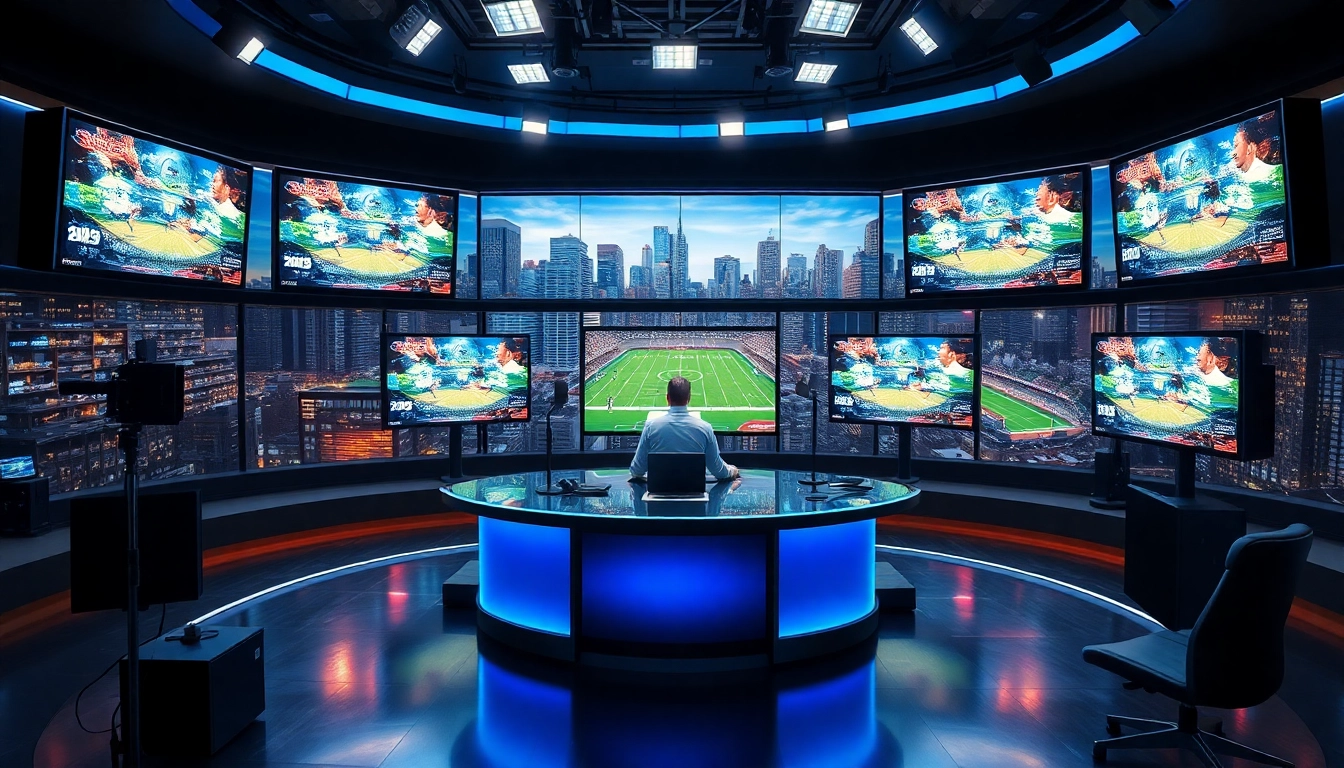
Understanding Sports Broadcasting Fundamentals
Sports broadcasting is a dynamic field that plays a crucial role in promoting athletic events and engaging fans globally. From live telecasts of major sporting events to engaging commentary on various media platforms, the influence of sports broadcasting is undeniable. Understanding its fundamentals allows stakeholders to navigate this exciting landscape successfully. For those seeking more about the nuances of Sports Broadcasting, this article offers an in-depth exploration.
The Role of Sports Broadcasting
Sports broadcasting serves as the bridge between events and fans, delivering real-time coverage that transcends geographical barriers. Its primary roles include:
- Dissemination of Information: Sports broadcasters provide timely updates, enabling fans to stay informed about teams, players, and events.
- Entertainment: Through compelling narratives and analysis, sports broadcasters enhance the viewer experience, transforming mere games into thrilling spectacles.
- Marketing and Promotion: Sports broadcasting plays a vital role in promoting both individual athletes and sporting leagues, attracting sponsors and enhancing commercial opportunities.
Key Terms in Sports Broadcasting
To fully grasp the nuances of sports broadcasting, it’s important to familiarize oneself with key terms such as:
- Play-by-Play: The real-time commentary that describes what is happening in the game.
- Color Commentary: Analysis provided by an expert who adds context and depth to the play-by-play commentary.
- Broadcast Rights: The legal permissions necessary for media outlets to transmit sports events.
- Viewer Engagement: Techniques and strategies employed to maintain and increase audience interest.
Types of Sports Broadcasting Media
Sports broadcasting occurs across various media platforms:
- Television: Traditional TV networks often dominate live sports coverage, featuring extensive pre- and post-game analysis.
- Radio: Radio broadcasts provide real-time updates, especially beneficial for fans on the go.
- Online Streaming: Platforms like YouTube and dedicated sports streaming services offer flexibility and access to diverse sporting events.
- Social Media: Coverage on platforms like Twitter and Instagram enables instant updates and fan interaction.
Essential Equipment for Sports Broadcasting
The success of a sports broadcast hinges on the quality and reliability of its equipment. Below are essential tools for effective sports broadcasting.
Cameras and Audio Gear
High-quality cameras and audio equipment are paramount for capturing the action and ensuring clarity. Here’s a breakdown of must-have tools:
- Cameras: High-definition cameras capable of slow-motion and high-speed capture are essential for detailed sports coverage.
- Microphones: Lapel mics for interviews and shotgun mics for on-field commentary enhance audio quality significantly.
- Switchers: Video switchers are crucial in live broadcasts to seamlessly transition between camera feeds.
Broadcast Software and Tools
Modern sports broadcasting relies heavily on software tools to streamline production:
- Streaming Software: Programs like OBS Studio allow for high-quality live streaming and multi-source video mixing.
- Graphics Software: Tools such as Adobe After Effects or even specialized sports graphics platforms enhance viewer engagement with real-time statistics.
- Cloud Services: Cloud storage solutions provide a secure means for managing and accessing broadcast footage and media.
Streaming Technology in Sports Broadcasting
The rise of digital platforms has revolutionized how sports are consumed. Key considerations include:
- Latency Reduction: Lowering the delay between the event and its broadcast is essential for live viewing experiences.
- Adaptive Bitrate Streaming: This technology adjusts the video quality based on the viewer’s bandwidth, ensuring consistent streaming.
- Mobile Compatibility: Ensuring that broadcasts are accessible across various devices, from smartphones to smart TVs, broadens audience reach.
Techniques for Effective Sports Broadcasting
Producing compelling sports broadcasts involves more than just technology; it requires creative and strategic techniques. Below are key approaches to enhance sports broadcasting.
Storytelling in Sports Broadcasting
Crafting engaging stories around the game and its players can deepen viewer investment. Effective storytelling includes:
- Player Background: Highlighting personal stories and struggles of athletes adds emotional depth.
- Historical Context: Providing historical precedents or rivalries enriches the viewing experience.
- In-Game Narratives: Developing story arcs through the game itself, such as comebacks or turning points, creates suspense.
Building Audience Engagement
Maintaining viewer interest requires active engagement strategies. Consider the following:
- Interactive Polls: Incorporating audience polls during broadcasts can enhance participation.
- Fan Shout-Outs: Acknowledging comments or reactions from fans on social media can create a sense of community.
- Behind-the-Scenes Content: Offering exclusive looks into teams and players‘ lives engages fans beyond the game.
Live Commentary Best Practices
Effective live commentary makes a significant impact on the viewing experience. Best practices include:
- Clear and Concise Language: Commentators should articulate their thoughts without overwhelming viewers with jargon.
- Maintaining Energy: A dynamic and enthusiastic commentary keeps audiences engaged throughout the event.
- Balanced Analysis: Providing a mix of objective report and personal insight from commentators boosts viewer understanding and enjoyment.
Sports Broadcasting Formats and Their Impact
The choice of broadcasting format can significantly influence how sports content is consumed. Various formats have distinct advantages:
TV vs. Online Broadcasting
Traditional TV and online broadcasting cater to different audience preferences:
- Television: Often provides extensive coverage and professional analysis, attracting viewers who prefer dedicated channels for sports.
- Online Broadcasting: Allows for flexibility and accessibility; viewers can watch on-demand, engage through social media, and participate in discussions in real time.
Podcasting in Sports Broadcasting
Podcasts have emerged as a popular format for sports content, providing in-depth discussions and expert analysis. Advantages include:
- On-Demand Listening: Fans can consume content whenever convenient, appealing to busy lifestyles.
- Diverse Content: Podcasts facilitate niche topics not typically covered in mainstream broadcasts.
- Expert Interviews: Offering access to player and coach insights enriches the listener experience.
Social Media Integration
Social media has transformed sports broadcasting by fostering real-time interaction:
- Live Updates: Platforms like Twitter and Facebook provide instant updates and highlight clips during games.
- Fan Interaction: Engaging fans with comments and posts encourages community building.
- Promotion of Content: Broadcasting highlights or clips creates increased interest in upcoming events.
Measuring Success in Sports Broadcasting
Understanding the impact of broadcasting efforts is critical for continuous improvement. Key metrics help gauge success:
Key Performance Indicators
To measure the success of a sports broadcast, it is essential to track specific KPIs such as:
- Viewership Ratings: Regularly monitoring viewership numbers can help broadcasters understand their audience size and trends.
- Engagement Metrics: Likes, shares, and comments on social media can indicate the level of audience engagement.
- Ad Revenue: Assessing advertisement performance helps gauge commercial success and inform future broadcasting decisions.
Audience Feedback and Adaptation
Actively seeking audience feedback is critical for improvement:
- Surveys and Polls: Conducting surveys allows audiences to share their preferences and needs.
- Focus Groups: Engaging small groups of fans for in-depth discussions can yield valuable insights.
- Trial Runs: Testing new formats or content types with specific segments of the audience can help refine approaches.
Future Trends in Sports Broadcasting
As technology evolves, several trends are shaping the future of sports broadcasting:
- Enhanced Reality: Incorporating augmented reality features during broadcasts can elevate viewer engagement.
- AI-Driven Commentary: Leveraging artificial intelligence for generating commentary can streamline production and reduce costs.
- Personalized Content: Tailored broadcasts catering to individual viewer preferences are becoming more viable, enhancing personalization.
FAQs about Sports Broadcasting
What is sports broadcasting?
Sports broadcasting involves transmitting sports events, commentary, and analysis through various forms of media, including TV, radio, and online streaming platforms.
How do broadcasters decide what sports to cover?
Broadcasters often choose sports based on audience demand, sponsorship opportunities, and contractual rights agreements with leagues and teams.
What equipment is necessary for sports broadcasting?
Essential equipment includes high-definition cameras, microphones, broadcast software, and streaming technology to ensure quality coverage.
What are the key performance indicators in sports broadcasting?
Key performance indicators include viewership ratings, engagement metrics on social media, and revenue generated from advertisements and sponsorships.
How can I improve my sports broadcasting skills?
Improving broadcasting skills involves practice, obtaining feedback, studying successful broadcasts, and staying informed about industry trends and technology.